
Share buybacks have emerged as a powerhouse for capital returns in India's equity markets, offering companies a tax-efficient alternative to dividends amid surging valuations and surplus cash piles. They've grown popular in India for boosting share prices and earnings. But Budget 2026 changes the tax rules big time. It scraps the 2024 setup where buybacks were taxed like dividends at high slab rates (up to 42%). Now, they're treated as capital gains tax only on profit (sale price minus cost), like 12.5% for long-held shares. This saves tax for regular investors and stops promoters from dodging taxes.
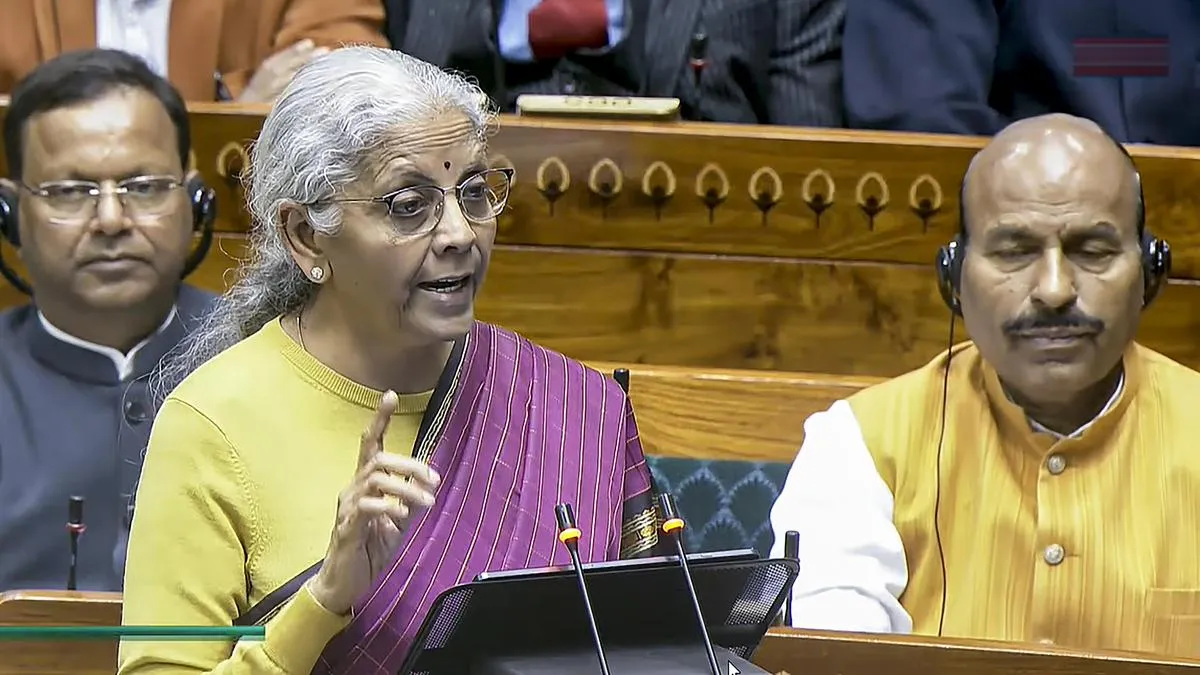
Image Source : The Hindu ( FM : Nirmala Sitharaman)
Pre-2024 Era: Company-Paid Buyback Tax
Until 2024, companies paid a flat 20% buyback tax (effective 23.3% with surcharge/cess) under Section 115QA on distributed amounts, regardless of shareholder profits. Shareholders got tax-free proceeds; cost basis created capital loss for set-off.
This encouraged buybacks over dividends (no DDT post-2020), as firms controlled tax at corporate rates, boosting EPS and stock prices without shareholder levy.
-
Open Economic DashboardFree tool
Check the macro backdrop
GDP, inflation, rates and more — India’s key economic indicators in one dashboard.
2024 Shift: Deemed Dividend Taxation
Finance Act 2024 abolished company tax, taxing full buyback proceeds as "deemed dividend" in shareholders' hands at slab rates (up to 42.74%). Companies withheld TDS: 10% (>₹5,000) for residents, 20% for NRIs. Share cost became capital loss (set-off/carry-forward 8 years).
High-slab investors faced steep taxes on gross amounts, curbing buybacks as payouts taxed like dividends but without cost deduction upfront.
Budget 2026 Overhaul: Return to Capital Gains
Budget 2026 (effective FY 2026-27) reclassifies buyback proceeds as capital gains for all shareholders tax only on (buyback price - cost basis). Short-term (<12 months): slab rates; long-term (>12/24 months equity): 12.5% above ₹1.25L exemption.
Promoters face extra buyback tax: 22% effective for corporate promoters, 30% for others, curbing arbitrage. No TDS shift; aligns with market sales. Closes promoter loopholes favoring buybacks over dividends.
Comparison Table: Taxation Regimes
Aspect | |||
Tax Payer | Company (23.3% effective) | Shareholder (slab rates) | Shareholder (CG rates; promoter extra tax) |
Taxable Amount | Full distribution | Full proceeds (cost as separate loss) | Gains only (proceeds - cost) |
Shareholder Rate | Nil | Up to 42.74% | STCG: slabs; LTCG: 12.5%; promoters 22-30% effective |
TDS | None | 10%/20% | Likely none (as CG) |
Loss Treatment | Cost basis loss set-off | Cost capital loss (8-yr carry forward) | Immediate gain/loss offset |
Retail investors gain most; promoters neutralized.
Get research like this in your inbox
The week’s research that mattered, in five minutes. Joined by 2L+ investors.
Current Capital Gains Slabs (Post-Budget 2025/26)
Buybacks now follow uniform LTCG/STCG:
Holding Period | Rate (above ₹1.25L LTCG exemption) |
Equity <12 months | Slab rates |
Equity >12 months | 12.5% |
Debt <24 months | Slab rates |
Debt >24 months | 12.5% |
Surcharge/cess applies; indexation removed.
Basic Example: Tax Impact Across Regimes
Ms. B buys 100 shares @ ₹700 (total ₹70,000), tendered in buyback @ ₹1,000/share (₹1,00,000 proceeds). 30% slab, held >1 year.
Pre-2024: Company pays ₹23,300 tax. B gets ₹1L tax-free; ₹30k LTCG loss offset elsewhere. Net benefit: full ₹1L.
2024-2026: Deemed dividend ₹1L @30%+cess = ₹42,744 tax. ₹70k STCL carry forward. Effective high cost.
Post-2026: LTCG ₹30,000 @12.5% = ₹3,750 tax (post-exemption if applicable). Net receipt ₹96,250. Savings: ₹39k vs deemed dividend!
Promoter (corporate): Extra tax makes effective 22% on gains.
Benefits for Investors and companies
Retail/non-promoters save massively tax on gains only (often 12.5% LTCG vs 30%+ slabs), reviving buyback appeal. Losses offset immediately against other gains, unlike carry-forwards.
Encourages long-term holding; uniform with market sales reduces disputes.
No company tax (pre-2024 gone), simplifying compliance. Buybacks now efficient vs dividends (no slab uncertainty for shareholders), likely increasing activity for EPS boost, signaling confidence.
Promoter levy deters abuse, gaining policy nod; listed firms return surplus cash cleaner amid high valuations.
Metric | Buyback (Retail LTCG) | Dividend |
Tax Base | Gains only | Full amount |
Rate (30% slab holder) | 12.5% | 30%+ |
Leverage Deduction | N/A | None (post-2026) |
EPS Impact | Increases | Neutral |
Buybacks superior for long-holders; dividends for short-term income.
See what markets are pricing in
Live indices, sector moves and market breadth — the backdrop to every story we publish.
Future Outlook for Indian Markets
In summary, Budget 2026's buyback taxation overhaul marks a pivotal shift, reverting to capital gains treatment on actual profits rather than deemed dividends, delivering equitable relief to retail investors while curbing promoter arbitrage. By taxing only gains often at a favorable 12.5% LTCG rate this reform slashes effective tax burdens from slab highs (up to 42.74%), revives buybacks as a vibrant capital return mechanism, and aligns payouts with market realities. Investors gain immediate loss offsets, simplified ITR compliance, and superior efficiency over dividends, fostering long-term wealth creation amid India's booming equities. Companies benefit from zero upfront levies, enhanced EPS signaling, and flexibility to deploy surpluses optimally, boosting shareholder value without tax distortions. For fintech innovators and fund managers this opens doors to advanced tools, cost trackers, scenario simulators for client portfolios. Ultimately, these changes propel market maturity, incentivize prudent capital allocation, and empower India's growing investor base to thrive in a transparent, growth-oriented ecosystem.


