
Options expiry day is the last trading session of an options contract. Time value falls to zero by the close, positions are settled, and trading volumes in index options are typically high. This article explains the mechanics and describes how traders commonly structure expiry-day setups. It is a description of methods, not a recommendation, and none of these methods is shown to work.
Related guide: Options Strategies Guide: Bullish, Bearish, Neutral and Hedging Strategies
What is options expiry day trading?
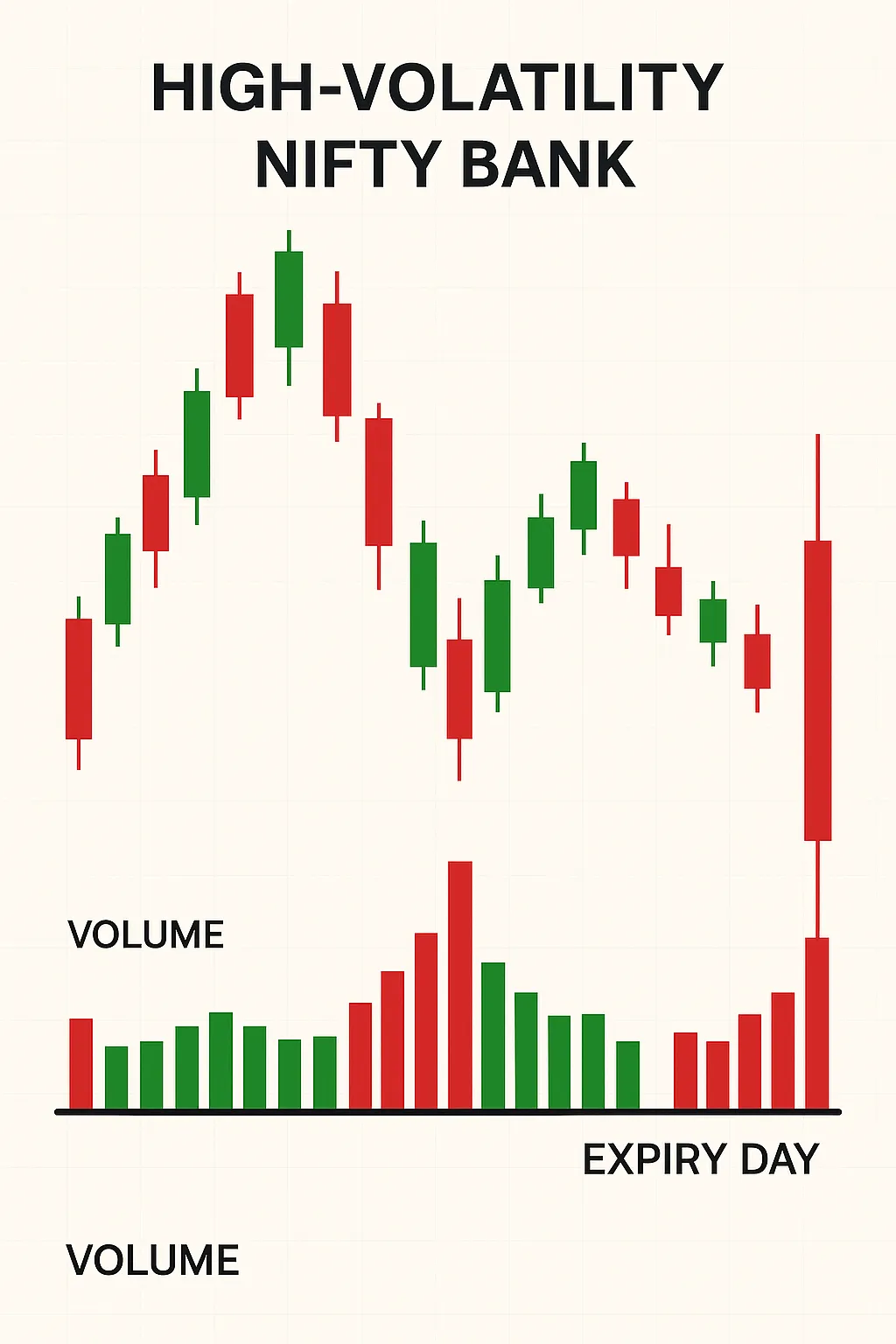
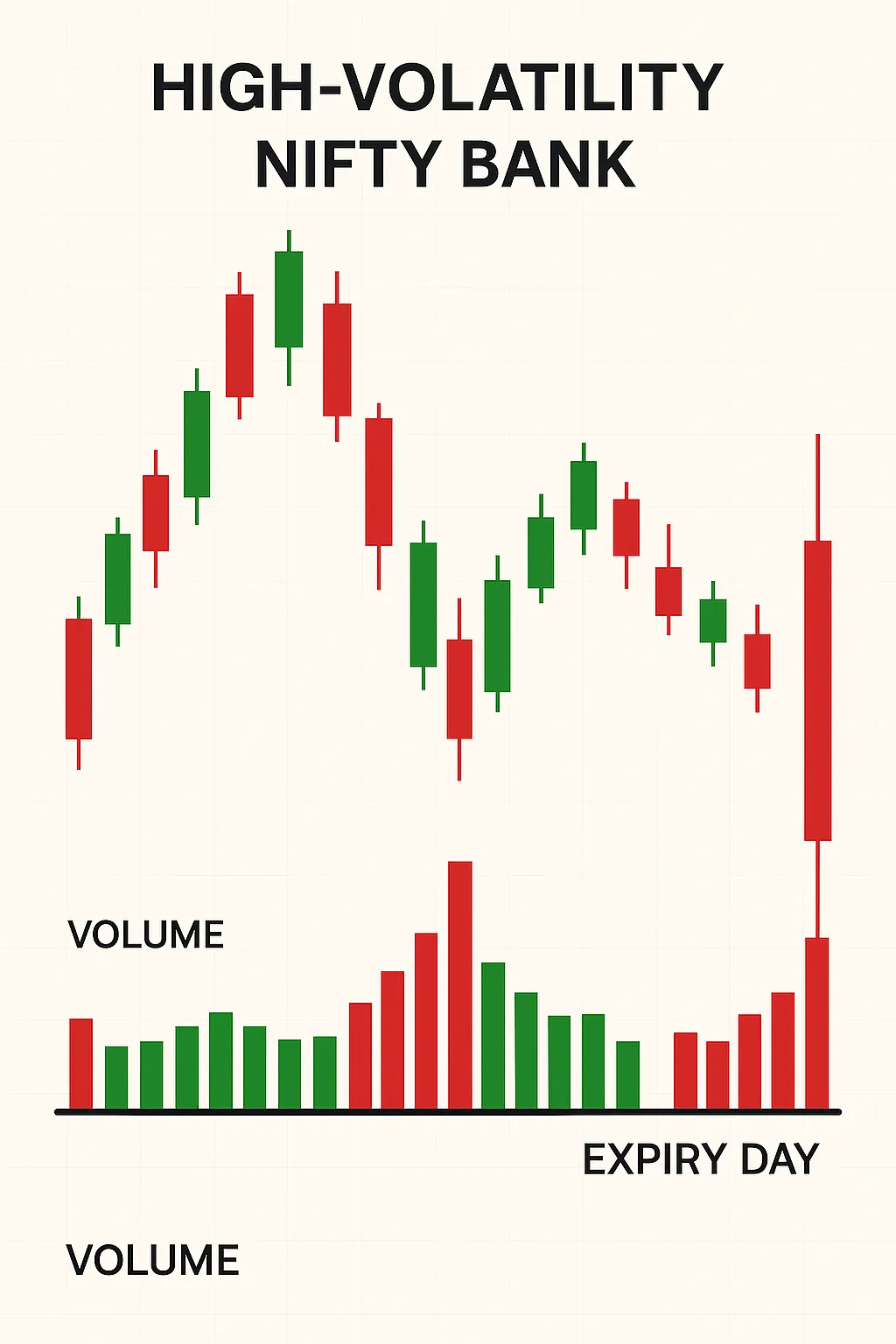
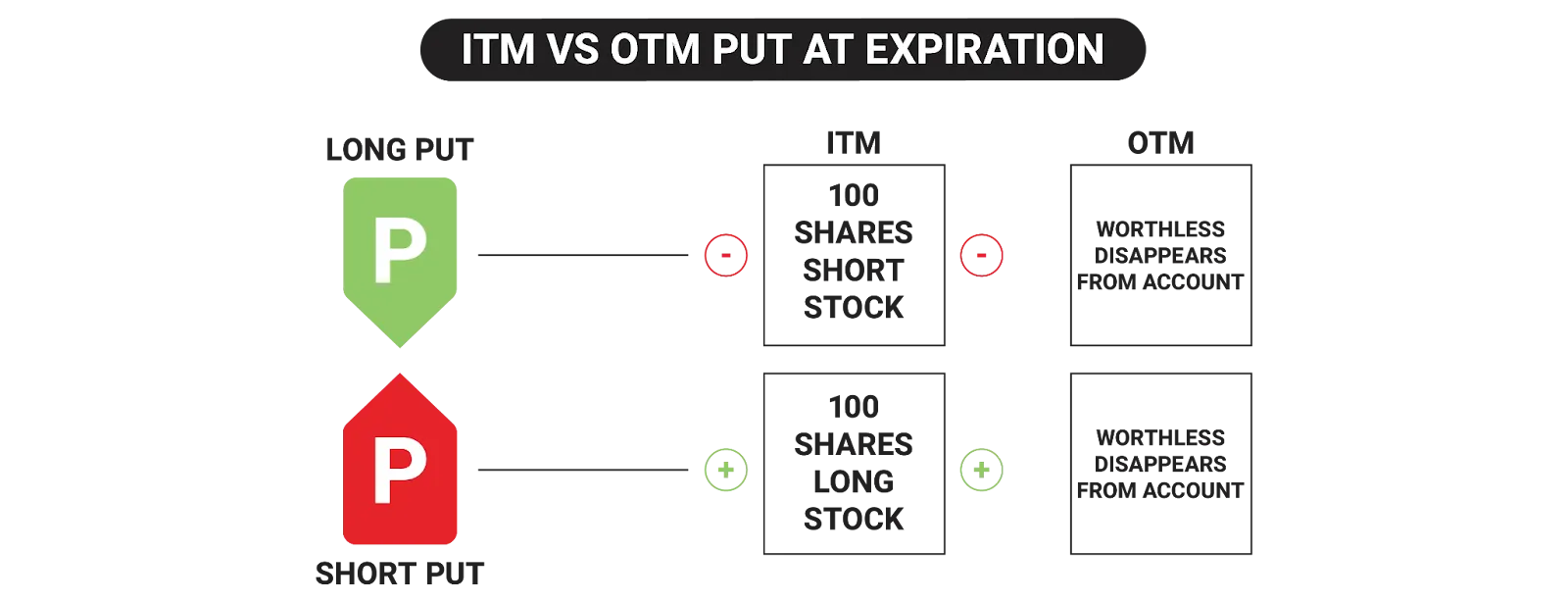
Expiry day trading means opening and closing option positions on the day the contract expires. On expiry, an option is worth only its intrinsic value: an in-the-money call or put is worth the difference between the index level and the strike, and an out-of-the-money option expires worthless. Index options in India are cash-settled.
Current expiry schedule
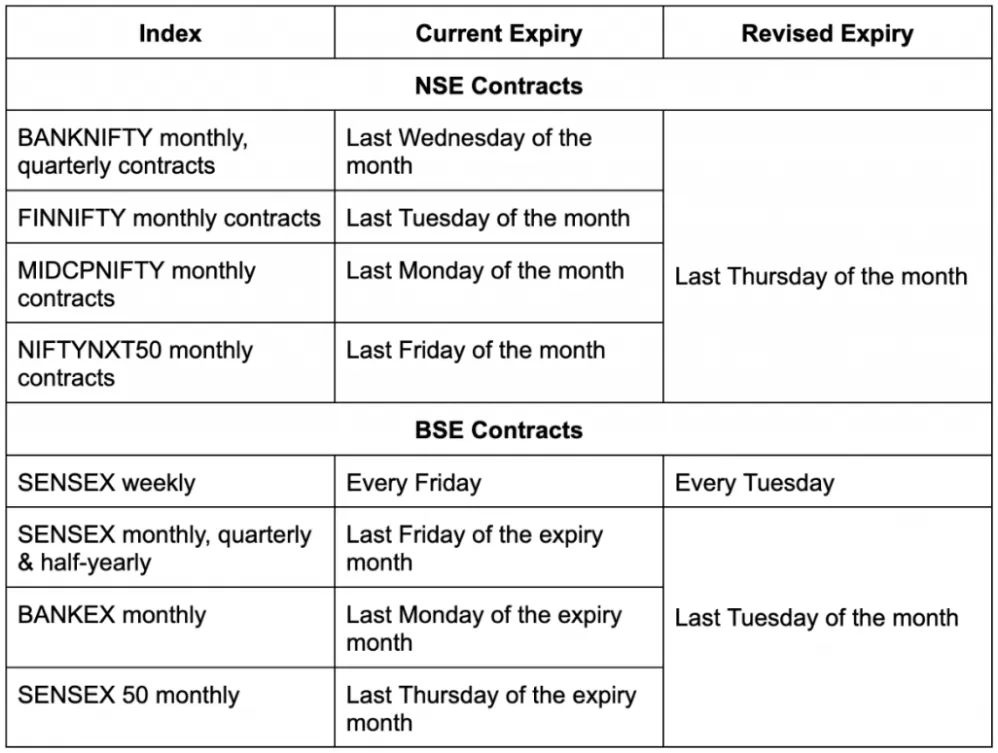
Following SEBI's direction that equity derivatives expire only on a Tuesday or Thursday, NSE moved Nifty index derivatives expiry from Thursday to Tuesday, effective from September 2025, while BSE's Sensex derivatives expire on Thursday (Business Standard and Angel One, Aug-Sep 2025). Earlier versions of this article described Thursday expiries and Bank Nifty weeklies; readers should check the current contract list on the exchange websites. When the scheduled day is a trading holiday, expiry moves to the previous trading day. The 2026 NSE holidays include Tuesdays such as 3 Mar, 31 Mar, 14 Apr, 20 Oct, 10 Nov and 24 Nov, which affect which day contracts expire.
See what markets are pricing in
Live indices, sector moves and market breadth — the backdrop to every story we publish.
Why expiry dates matter
Settlement
All open index option positions are settled in cash at the final settlement price. Positions that are in the money are settled for their intrinsic value, others lapse.
Time decay
Theta, the rate at which an option loses time value, accelerates as expiry approaches. In the final hours, at-the-money premiums can change sharply with small moves in the index (gamma is highest then), so the same position can gain or lose a large share of its value within minutes.
Pinning and open interest
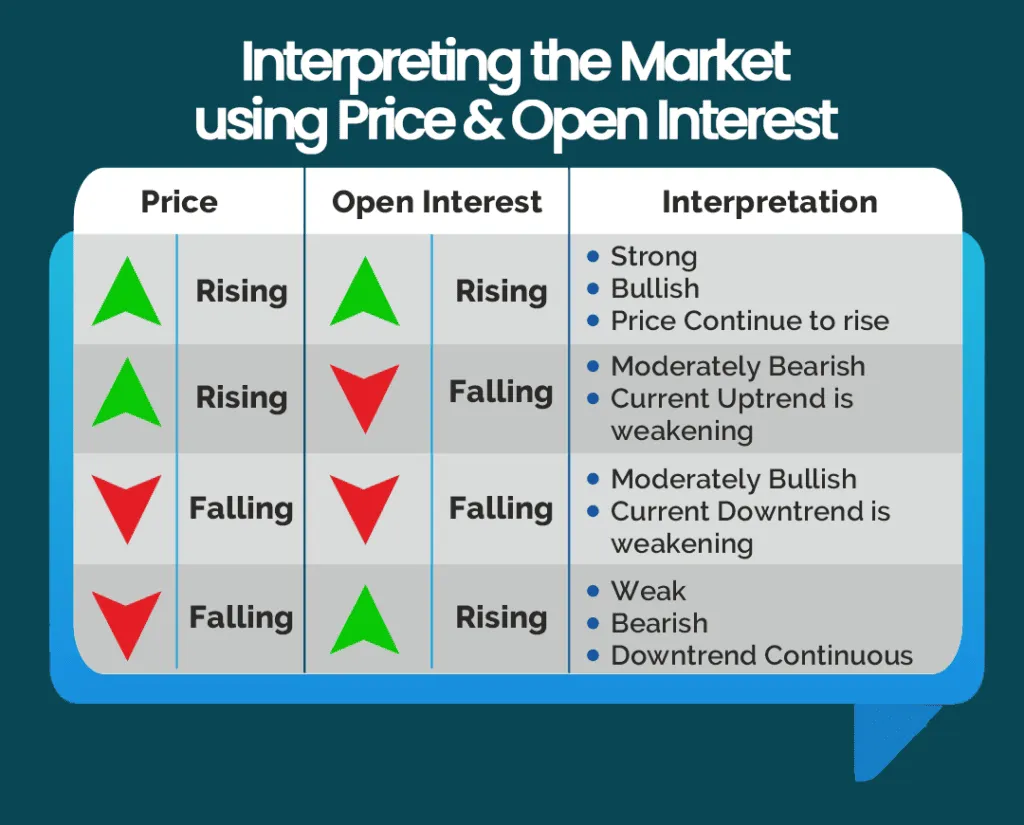
Some market participants observe that the index tends to gravitate towards strikes with large open interest, known as "pinning", and refer to the "max pain" strike, where option buyers collectively lose most. These are descriptive observations and not reliable predictors.
Volatility
India VIX measures expected 30-day volatility and does not describe a single expiry day. Implied volatility of the expiring contract often behaves differently from VIX.
Rules and costs that apply on expiry day
- Extra margin: an additional 2% extreme loss margin applies to short index option positions on expiry day, per broker disclosures (for example Zerodha's support page, rule dated Nov 2024).
- Intraday position limits: SEBI's September 2025 circular set intraday limits on index-option positions of Rs 5,000 crore net and Rs 10,000 crore gross (futures-equivalent) per entity, monitored through random snapshots during the day, with monitoring from 1 October 2025 (Business Standard, Angel One).
- Charges: brokerage, STT, exchange transaction charges and GST apply.
Rules change, so the latest SEBI and NSE circulars are the authoritative source.
Preparing for expiry day
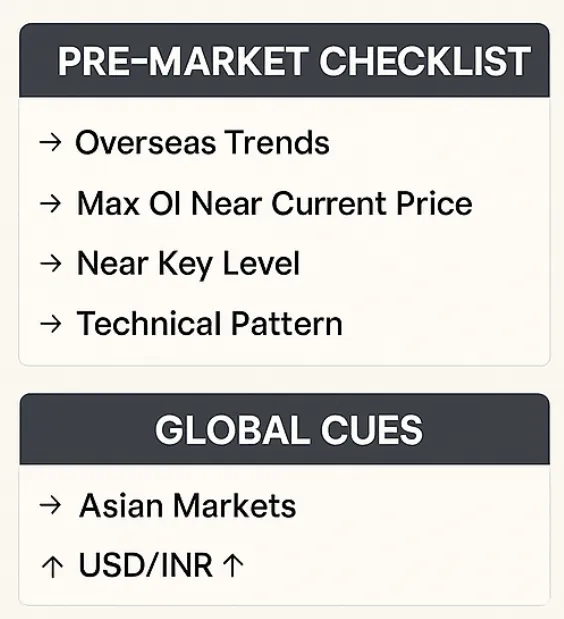
- Information gathered: overnight global cues, previous close, open interest by strike, put-call ratio and the day's event calendar.
- Strike choice: at-the-money options have the highest sensitivity to the index; far out-of-the-money options are cheap but usually expire worthless.
- Position size: traders often cap the loss per trade at a small share of capital, because premiums can fall to zero within the day.
Get research like this in your inbox
The week’s research that mattered, in five minutes. Joined by 2L+ investors.
How the day is commonly divided
- Opening session (9:15 to about 10:30 am): gap openings and wide spreads are common; some participants wait for the range to form.
- Mid-session: volumes are steady, and technical levels such as VWAP, previous high and low and open interest strikes are watched.
- Final hours: time decay is fastest, and hedging and square-off activity by large participants can move prices quickly.
Five setups traders describe
The following are generic descriptions of structures discussed in trading literature. Figures such as stop-loss levels and targets vary widely between traders and are not shown here, as no standard setting is supported by evidence.
Setup 1: ATM straddle selling
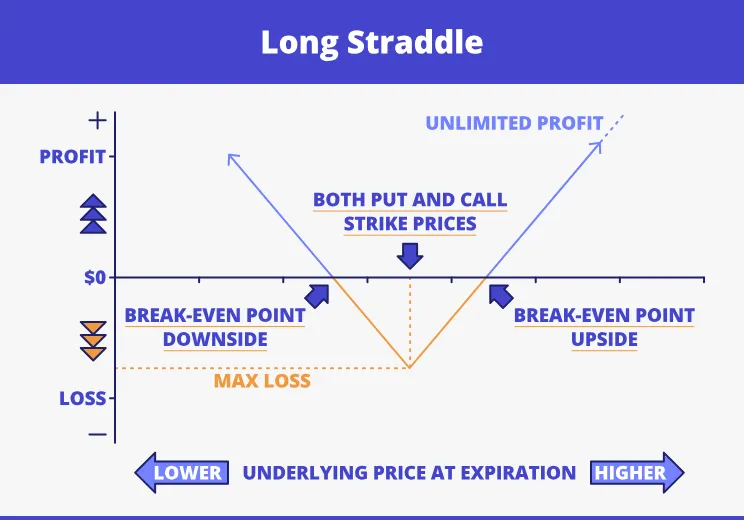
Selling a call and a put at the same at-the-money strike collects premium and benefits if the index stays near that strike as the options lose value. Loss is theoretically unlimited on both sides, which is why some traders add far out-of-the-money long options (an iron condor structure) to cap the risk. Short option positions attract higher margin on expiry day.
Setup 2: Directional breakout
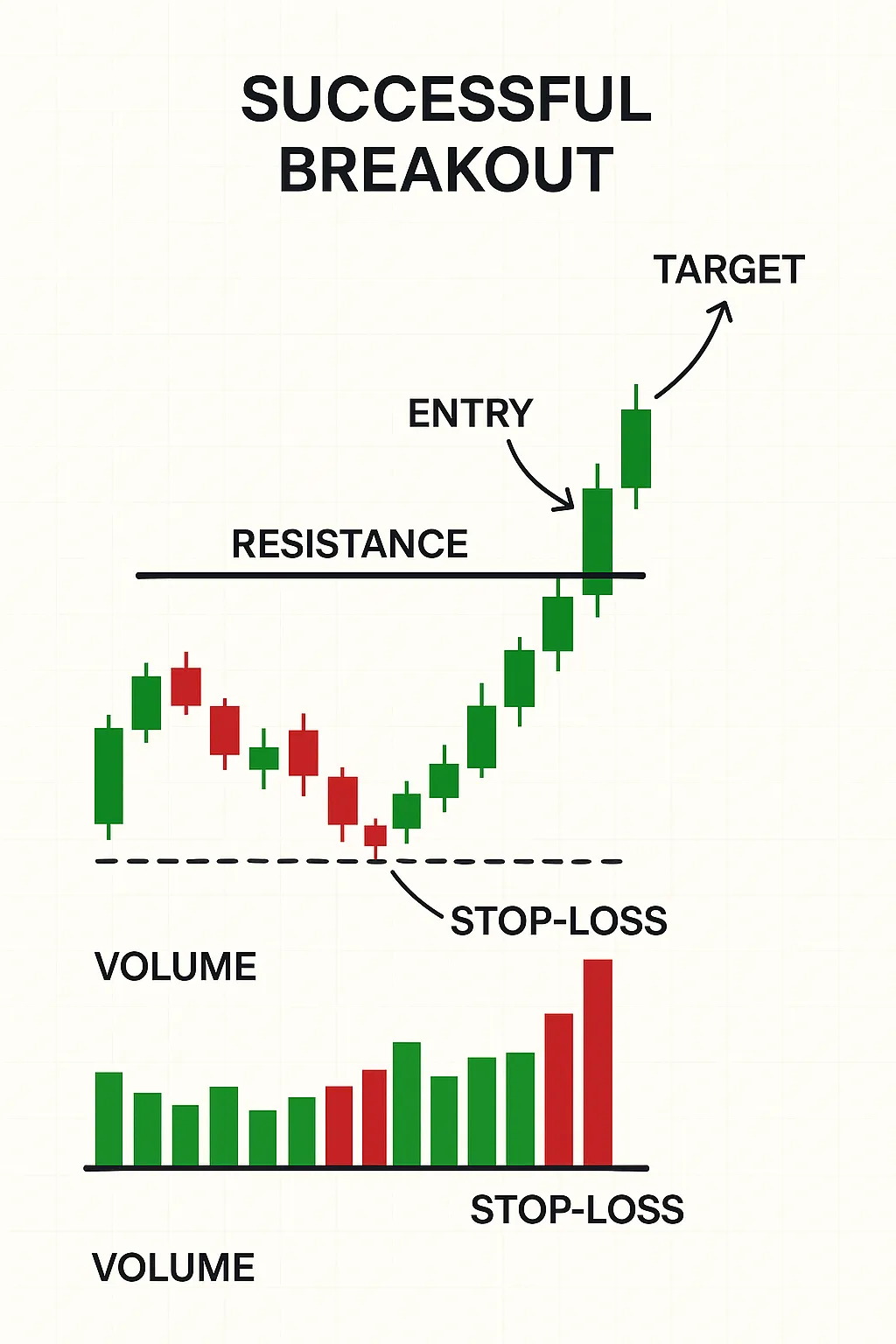
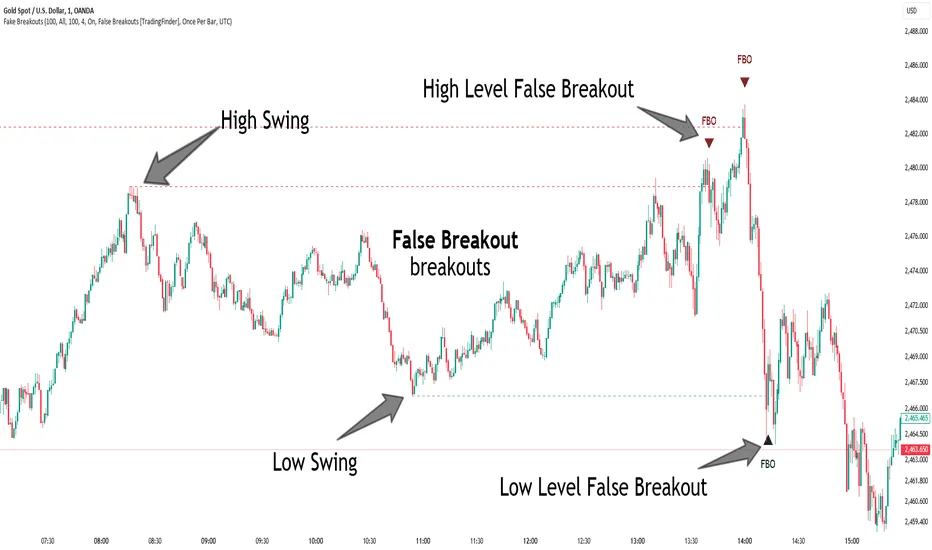
Buying a call or put when the index moves beyond a defined range, such as the previous day's high or low or the opening range. The maximum loss is the premium paid. False breakouts are common, and a premium can fall quickly if the move does not continue.
Setup 3: Open interest based reversal
Uses open interest data to identify strikes where large writing has taken place and looks for reversals when the index approaches them. Open interest does not reveal who holds the positions or whether they are hedged, which limits its interpretation.
Setup 4: Volatility crush
Implied volatility often falls once a known event has passed, and this reduction lowers option prices even if the index has not moved. Traders describing this setup take positions around events such as policy announcements or results. Implied volatility can also rise unexpectedly.
Setup 5: Last hour scalping
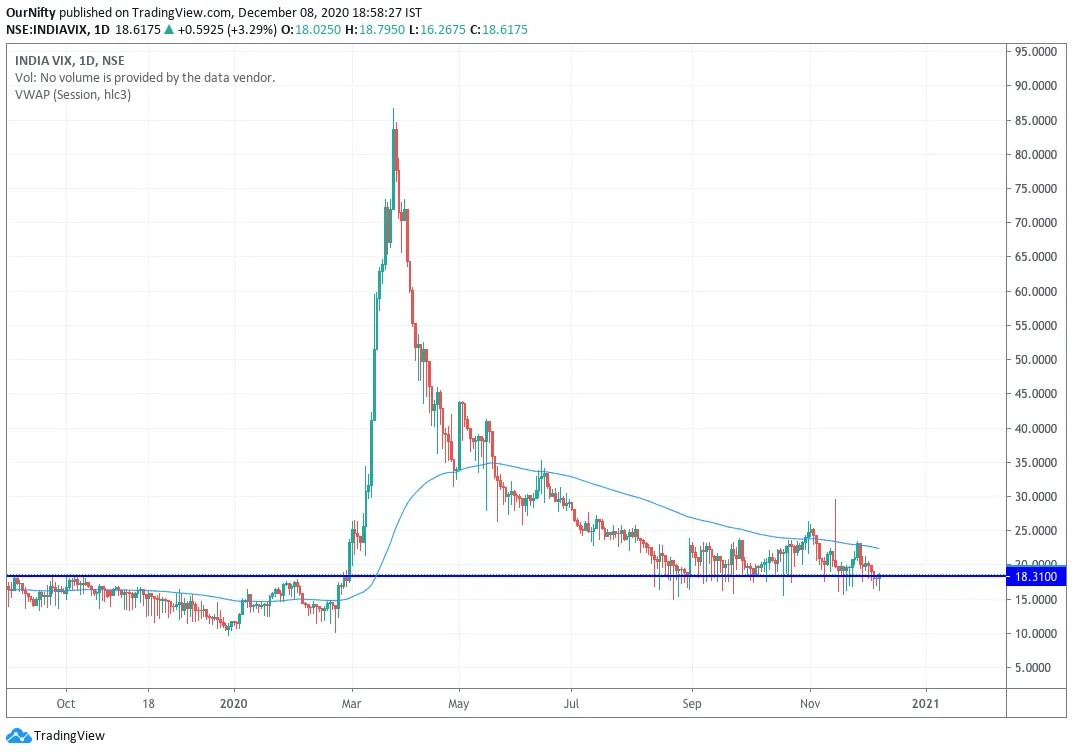
Several short-duration trades in the final hour using short-period charts. It requires continuous monitoring, and trading costs per trade add up with the number of trades.
What research on derivatives trading shows
SEBI's latest study of individual equity F&O traders for FY26, as reported by Business Today (14 Nov 2026) and others, found that 87.7% of individual traders recorded net losses after transaction costs, with aggregate net losses of about Rs 91,685 crore and the number of active individual traders down about 20% to 78.6 lakh. The FY25 study had found over 91% loss-making. Exact figures differ between releases and sample bases, so the SEBI publications are the primary source.
Large caps or small caps: who is winning?
Nifty, midcap and smallcap returns from one day to ten years, with the spread and valuation by segment.
Frequently asked questions
What happens on options expiry day?
Contracts settle in cash at the final settlement price, time value goes to zero and any in-the-money option is worth its intrinsic value.
Can options be bought on the day of expiry?
Yes, until the market closes at 3:30 pm. In-the-money options still held at expiry are settled automatically.
What time do options expire?
Index options stop trading at market close and settle on the final settlement price, which is derived from the index values in the closing period.
Which index expires on which day?
As of late 2025, NSE's Nifty contracts expire on Tuesdays and BSE's Sensex contracts on Thursdays. Check the exchange's current contract list.
This article is for educational purposes only and is not investment advice.


