


Navratri is a nine-day Hindu festival, observed each year in the autumn (Sharad Navratri) and associated with the nine forms of Goddess Durga. Each day carries a theme such as intention, discipline, focus, knowledge and protection. This article maps those nine themes to well-established personal finance concepts. It is a seasonal, educational piece: it explains the concepts and does not recommend any action or product.
Theme 1: Setting Financial Goals
The first day is associated with beginnings and intention. In personal finance, the starting point is usually a defined goal. Common questions people use to frame this are: what is the goal, what is the amount needed, and over what period?
The SMART framework is a widely used method for stating goals: Specific, Measurable, Achievable, Relevant and Time-bound.
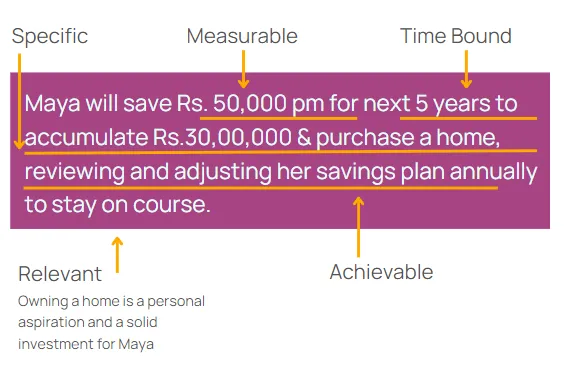
An illustrative example (hypothetical, for explanation only): a person named Maya wants Rs. 30 lakh as down-payment equity for a house.
- Specific: Rs. 30 lakh for a house down payment.
- Measurable: saving Rs. 50,000 per month.
- Time-bound: over five years.
- Achievable: reviewed every year for changes in inflation and savings.
- Relevant: home ownership is a personal aspiration.
Reviewing past financial behaviour and tracking progress against the goal is a common way to keep such a plan measurable.
See what markets are pricing in
Live indices, sector moves and market breadth — the backdrop to every story we publish.
Theme 2: Financial Discipline and Budgeting
The second day is associated with discipline and calm. In finance, this maps to a budget: a record of income and expenses, grouped into categories such as needs, wants and savings.
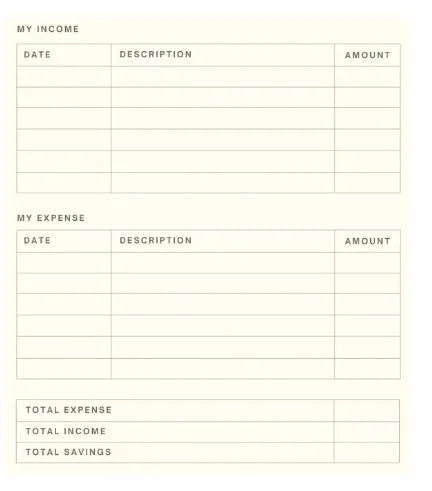
Behavioural research and common practice note that rigid budgets are hard to sustain, so many budgeting frameworks include a small allowance for discretionary spending. Tracking that spending is what keeps the budget meaningful.
Theme 3: Focus on the Long Term
The third day is about focus. Long-term goals are often pursued through regular, rule-based methods rather than reactions to news. Three mechanisms commonly described in India are:
- SIP (Systematic Investment Plan): a fixed amount invested in a mutual fund at regular intervals.
- Lump sum: a one-time investment of a larger amount.
- STP (Systematic Transfer Plan): a fixed amount moved at intervals from one mutual fund scheme to another, usually from a liquid or debt scheme to an equity scheme.
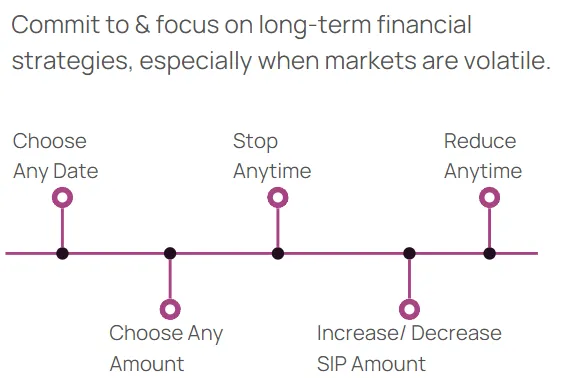
These are mechanisms, and their outcomes depend on market conditions during the period; none guarantees a return.
Theme 4: Research and Evidence
The fourth day is associated with foresight and planning. In finance, this corresponds to evaluating any product on data: its objective, costs, historical behaviour, and the risks disclosed in its offer documents, rather than relying on word of mouth.
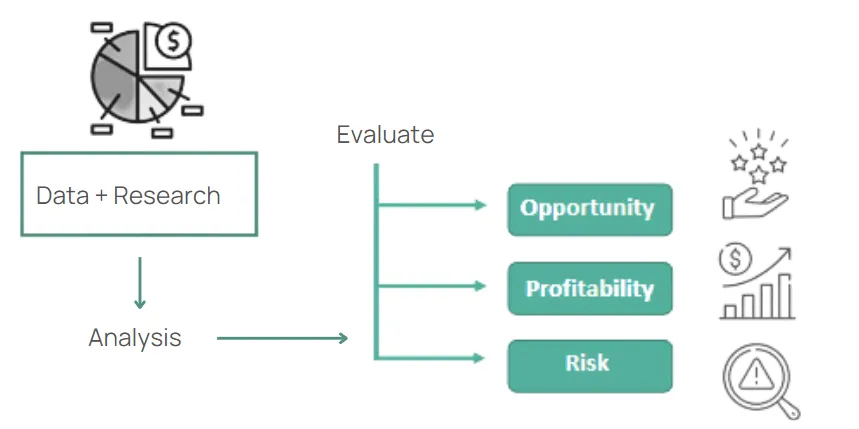
Many planners describe a savings base as the foundation, with other asset classes layered on according to an individual's circumstances. Investor-education material from SEBI and AMFI is a neutral source for understanding product features and risks.
Theme 5: Continuous Learning
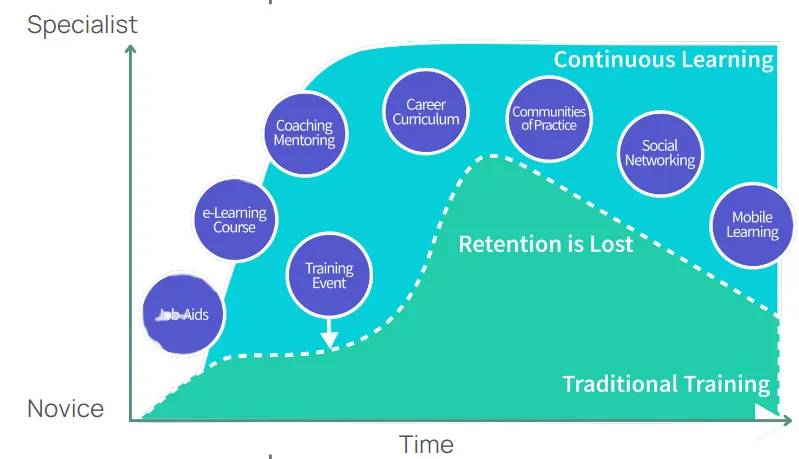
The fifth day is associated with knowledge. Markets, regulations and products change over time, so continuing education is a recurring theme in investor-awareness programmes. Regulated professionals such as SEBI-registered Research Analysts and Investment Advisers are one source of structured guidance, and the SEBI registration of an entity can be checked on SEBI's public intermediary database.
Get research like this in your inbox
The week’s research that mattered, in five minutes. Joined by 2L+ investors.
Theme 6: Diversification
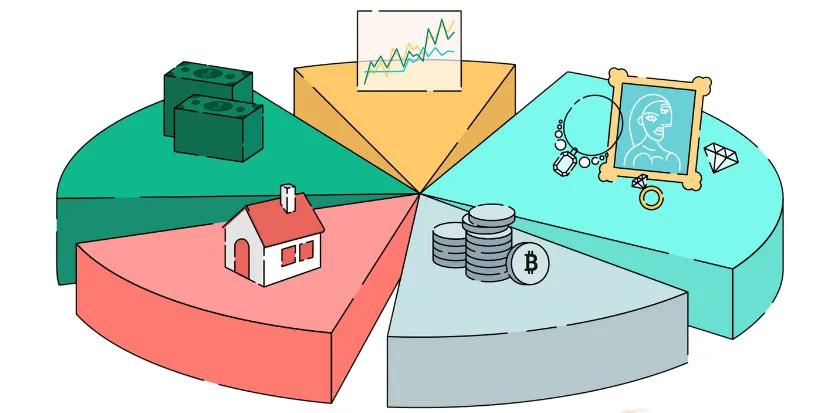
The sixth day is associated with balance. Diversification means spreading money across asset classes (equity, debt, gold and others), sectors and securities, so that the poor result of any one holding has a limited effect on the whole. It reduces the dependence on a single outcome but does not remove market risk.
Past performance does not indicate future results, which is why regulators require it to be disclosed with that caveat. For a deeper look at how risk is measured, see this explainer on portfolio risk.
Theme 7: Review and Rebalancing
The seventh day is associated with adaptability. Rebalancing is the process of bringing a portfolio back to its target asset mix after market moves have shifted it.
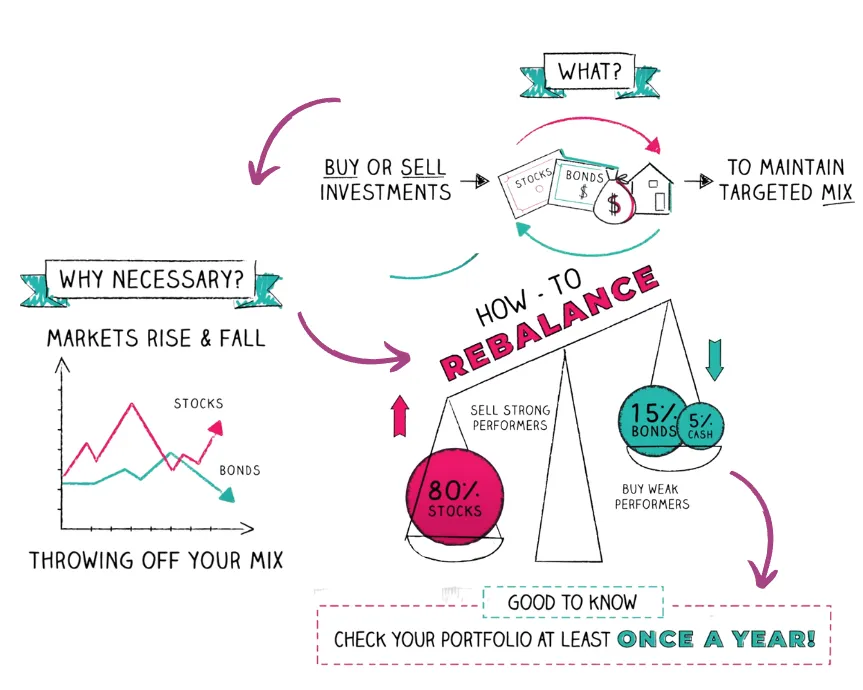
- A target mix (for example, a split between equity and debt) is set in advance.
- When prices rise or fall, the actual mix drifts from the target.
- Rebalancing restores the target by trimming the portions that have grown and adding to those that have lagged.
- It can be done on a calendar schedule or when the mix drifts beyond a set band.
Rebalancing can have tax and transaction-cost consequences, which differ by instrument and holding period.
Theme 8: Insurance as Protection
The eighth day is associated with protection. In personal finance, insurance is treated as risk transfer rather than investment. The usual categories are health insurance, term life insurance and cover for assets such as the home or vehicle. Keeping protection separate from investing makes it easier to judge each on its own purpose and cost.
Theme 9: Preparing for the Unexpected
The ninth day is a reminder that events cannot always be predicted. The financial counterpart is the emergency fund: money set aside for sudden expenses such as medical bills or loss of income.
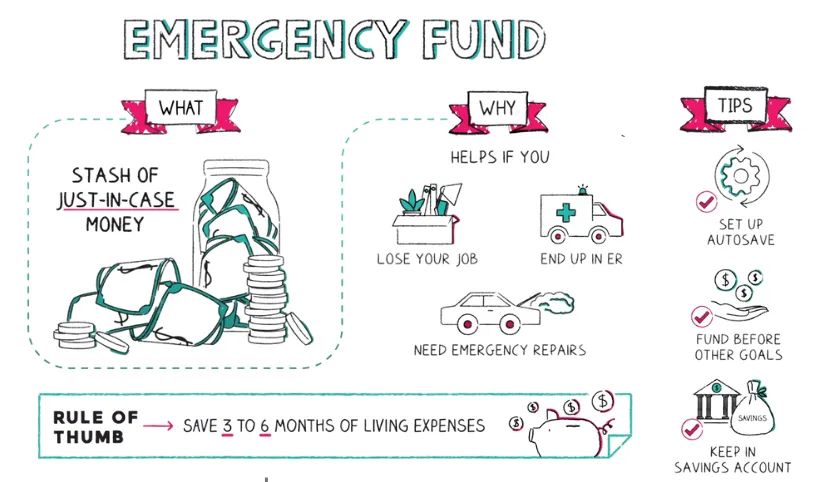
- What: liquid money held for unplanned needs.
- Why: it avoids having to sell long-term investments or borrow at short notice.
- Where it is commonly held: instruments that are liquid and low-risk, such as a savings account or bank deposit.
- Common rule of thumb: three to six months of living expenses. This is a general heuristic, not a rule, and the appropriate size varies by household.
Is your portfolio built for what’s coming?
Get a free AI-powered review of your holdings — risk, overlap and quality in minutes.
Navratri and the Markets
Festival periods often draw attention to market seasonality, but any pattern observed in past years is not a reliable predictor of future returns. For related background, see these articles:
- Festive Season Forecasts a Bright Spark for India's Economic Revival
- Buying Stocks in October, November & December? Seasonal Patterns in Global & Indian Stock Markets
This article is for educational purposes only and is not investment advice.


