

For years the National Stock Exchange of India (NSE) was among the most widely held unlisted companies in India, trading in the off-market (pre-IPO) segment. That changed on 24 September 2026, when NSE listed on BSE. This article explains what unlisted shares are, how NSE moved from the unlisted market to a listing, what its recent financials show, and how the tax rules for unlisted shares work.
What are unlisted shares?
Unlisted (or pre-IPO) shares are equity of a company not listed on a recognised stock exchange. They change hands off-market, usually through brokers or online platforms, with transfer by delivery instruction slip between demat accounts. Features of this market:
- There is no exchange order book, so prices are negotiated and bid-ask spreads can be wide.
- Settlement is bilateral and can take days to weeks, depending on verification and counterparty readiness.
- Price information comes from intermediaries, not an exchange, and can differ between sources.
- Disclosure is limited to what the company publishes, such as annual reports.
- Such trades are governed by the Companies Act, 2013 and related regulations.
See what markets are pricing in
Live indices, sector moves and market breadth — the backdrop to every story we publish.
The grey-market price history
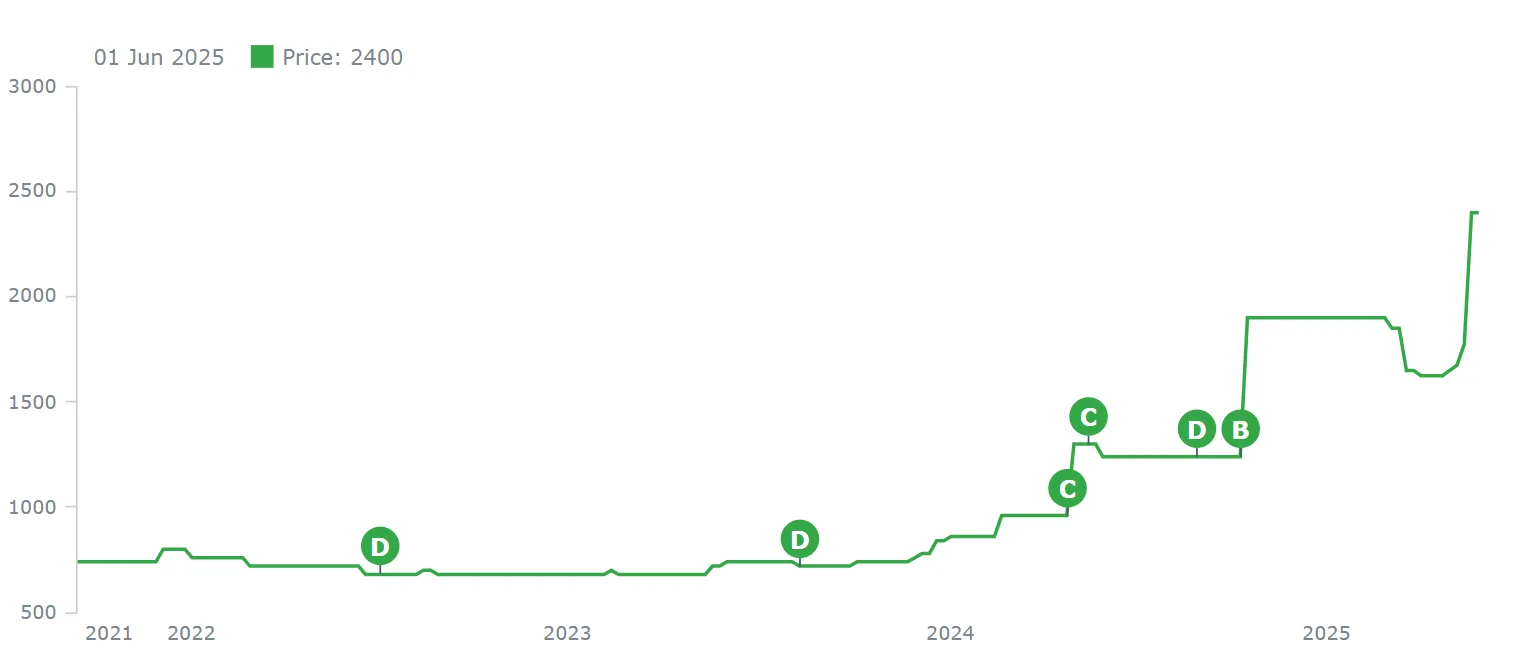
NSE's unlisted price rose substantially from 2021. In 2024 the company issued bonus shares, which makes pre- and post-bonus prices non-comparable. The chart below, sourced from an unlisted-market tracker, shows average prices as then published and is retained from the original edition. It is a record of past off-market quotes, not an exchange price.
The route to listing
The sequence, as reported by SEBI-linked filings and market news, was:
- January 2026: SEBI issued a no-objection certificate to NSE, the clearance required for a market infrastructure institution to file for an IPO. A challenge to the NOC was dismissed by the Delhi High Court on 16 February 2026.
- 17 June 2026: NSE filed its draft red herring prospectus. The issue was a pure offer for sale, so NSE received no proceeds.
- 30 July 2026: SEBI agreed in principle to accept NSE's revised settlement of a long-running matter, adding about Rs 715 crore to the Rs 776 crore already deposited (about Rs 1,491 crore in total).
- 4 September 2026: SEBI observation letter reported.
- 17 to 21 September 2026: Public issue at a price band of Rs 1,700 to 1,785, with the issue price set at Rs 1,785. The offer was about 12.64 crore shares (roughly Rs 22,563 crore), according to Chittorgarh's IPO data page.
- 24 September 2026: Listing on BSE. Shares opened at Rs 1,800, about 0.8% above the issue price.
Per market reports, NSE's market capitalisation was about Rs 5.56 lakh crore (about US$59.7 billion) on 20 November 2026, with a share price around Rs 2,220 to 2,250 that day. Prices move daily, so check current exchange data. Aggregator sites report different subscription multiples for the issue (for example 4.26x on Chittorgarh), so no single figure is cited here.
Get research like this in your inbox
The week’s research that mattered, in five minutes. Joined by 2L+ investors.
Financial snapshot
NSE's consolidated results for FY2025-26 (year to March 2026), as reported in its Q4 FY26 results and the DRHP-linked coverage:
| Item | FY2025-26 | FY2024-25 |
|---|---|---|
| Revenue from operations | Rs 16,601 crore | Rs 17,141 crore |
| Total income | Rs 18,713 crore | Rs 19,177 crore |
| Profit after tax | Rs 10,302 crore | Rs 12,188 crore |
Profit fell by about 15.5% in FY26. Reasons given in the results: lower transaction charges (Rs 13,057 crore vs Rs 13,636 crore) as average daily turnover fell, higher technology spending, and about Rs 1,432 crore of SEBI settlement fees. Q4 FY26 profit was Rs 2,871 crore, up about 8% year on year, and a dividend of Rs 35 per share was recommended. For the quarter ended June 2026, revenue from operations was Rs 4,560 crore (up 13.1%) and profit after tax Rs 3,120 crore (up 6.7%). Options is the largest revenue segment (Rs 2,744 crore in the June quarter).
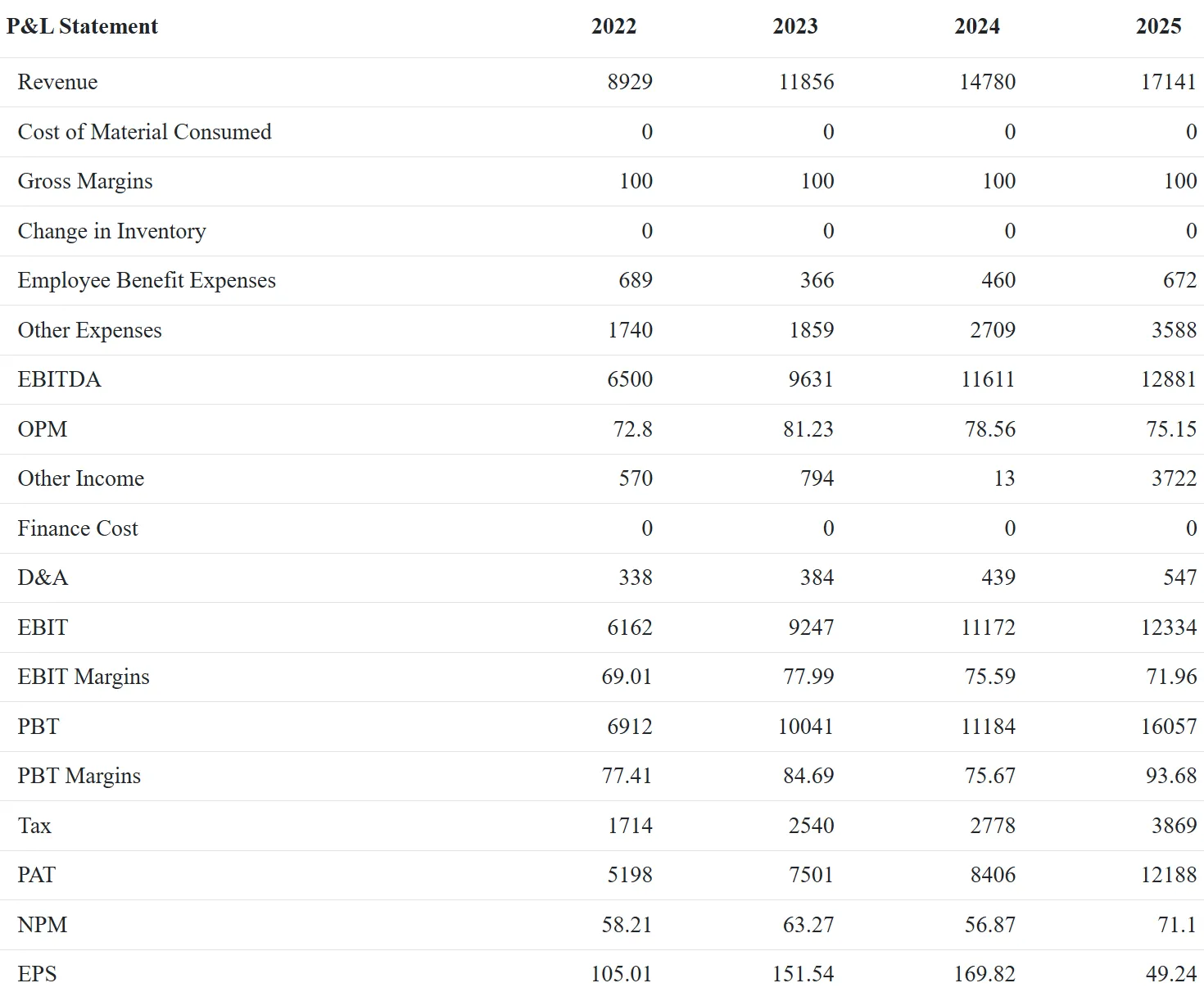
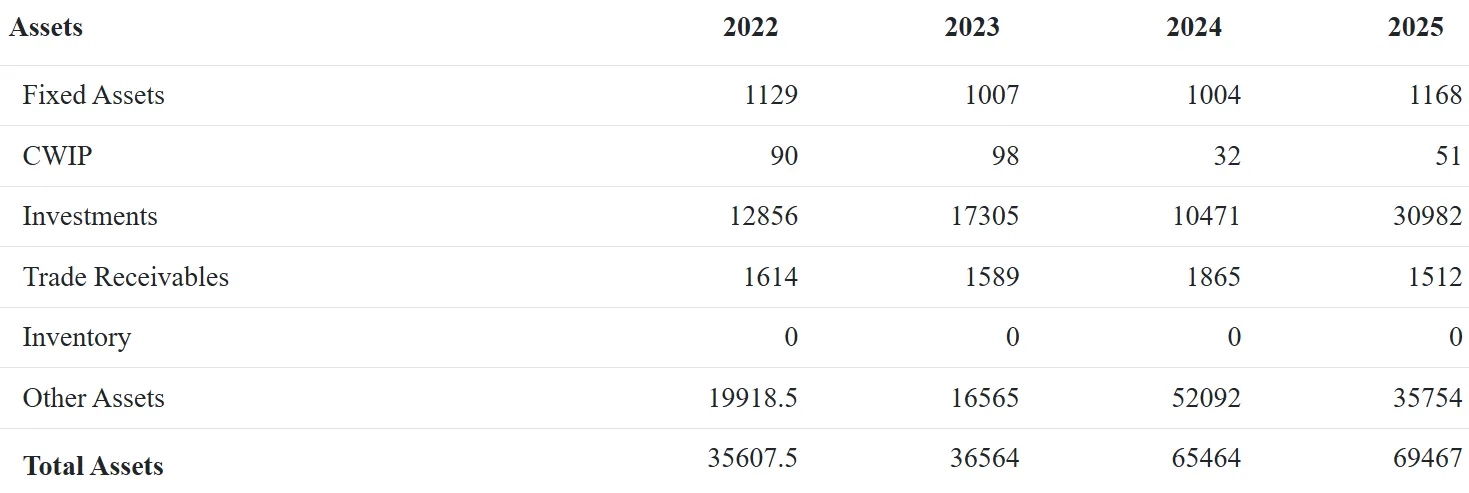
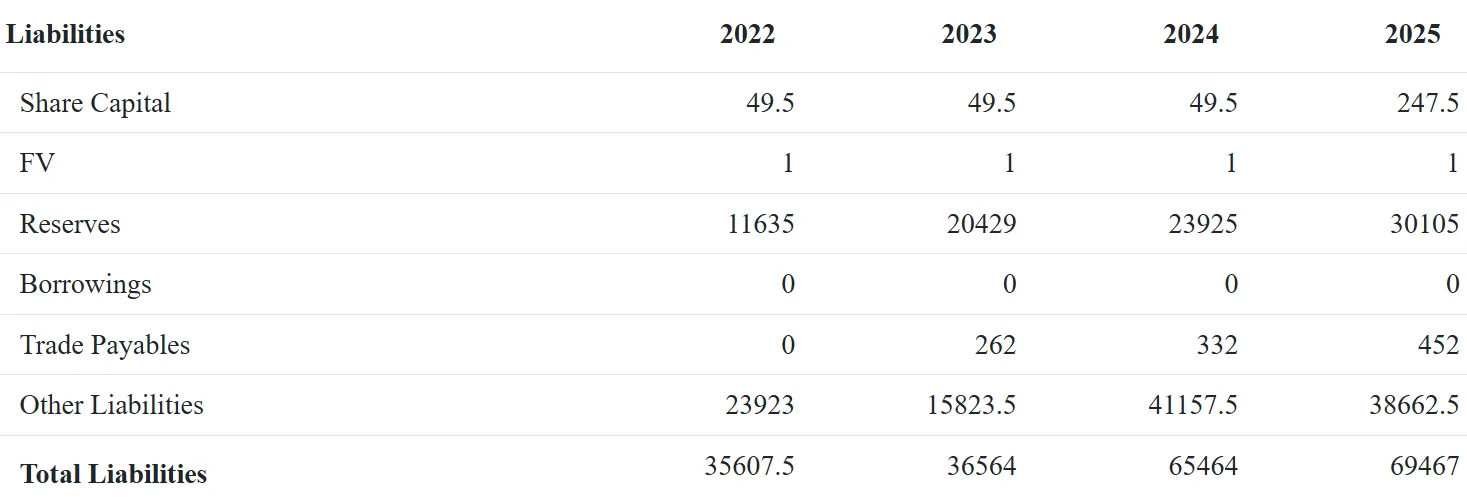
The charts below are retained from the earlier edition and show financial statements for earlier years.
Business model and risk factors
NSE earns mainly from transaction charges on equity derivatives and cash trading, plus data, co-location, listing and clearing-related income. Items that the company and regulators have identified as risk areas include:
| Area | Description |
|---|---|
| Regulatory | SEBI oversight, past co-location and related matters, settlement costs |
| Market activity | Revenue depends on trading volumes, which move with market conditions and regulatory changes to derivatives |
| Technology | Outages or cyber incidents at exchange infrastructure |
| Concentration | Heavy reliance on equity derivatives revenue |
Tax rules for unlisted shares
For transfers on or after 23 July 2024 (Finance Act 2024), long-term capital gains on unlisted shares (held more than 24 months) are taxed at 12.5% without indexation; earlier it was 20% with indexation. Gains on shorter holdings are taxed at slab rates. The annual Rs 1.25 lakh exemption available to listed equity under section 112A does not apply to unlisted shares. Individual tax outcomes depend on circumstances and should be confirmed with a tax professional.
Large caps or small caps: who is winning?
Nifty, midcap and smallcap returns from one day to ten years, with the spread and valuation by segment.
What the NSE case illustrates
NSE's path shows why unlisted holdings can take years to convert into exchange-traded shares: regulatory clearances, settlements and corporate actions all affect timing, and off-market prices can diverge from the first exchange price. Reports noted that unlisted-market indications had pointed to a larger listing premium than the roughly flat debut, a reminder that off-market quotes are not a forecast of listing performance.
Sources: NSE Q4 FY26 results press release (May 2026) and FY26 results coverage; Chittorgarh NSE IPO page (updated Nov 2026); market news on SEBI NOC, DRHP and settlement (Jan to Sep 2026); Finance Act 2024 and KPMG Budget 2024 note.
This article is for educational purposes only and is not investment advice.


