

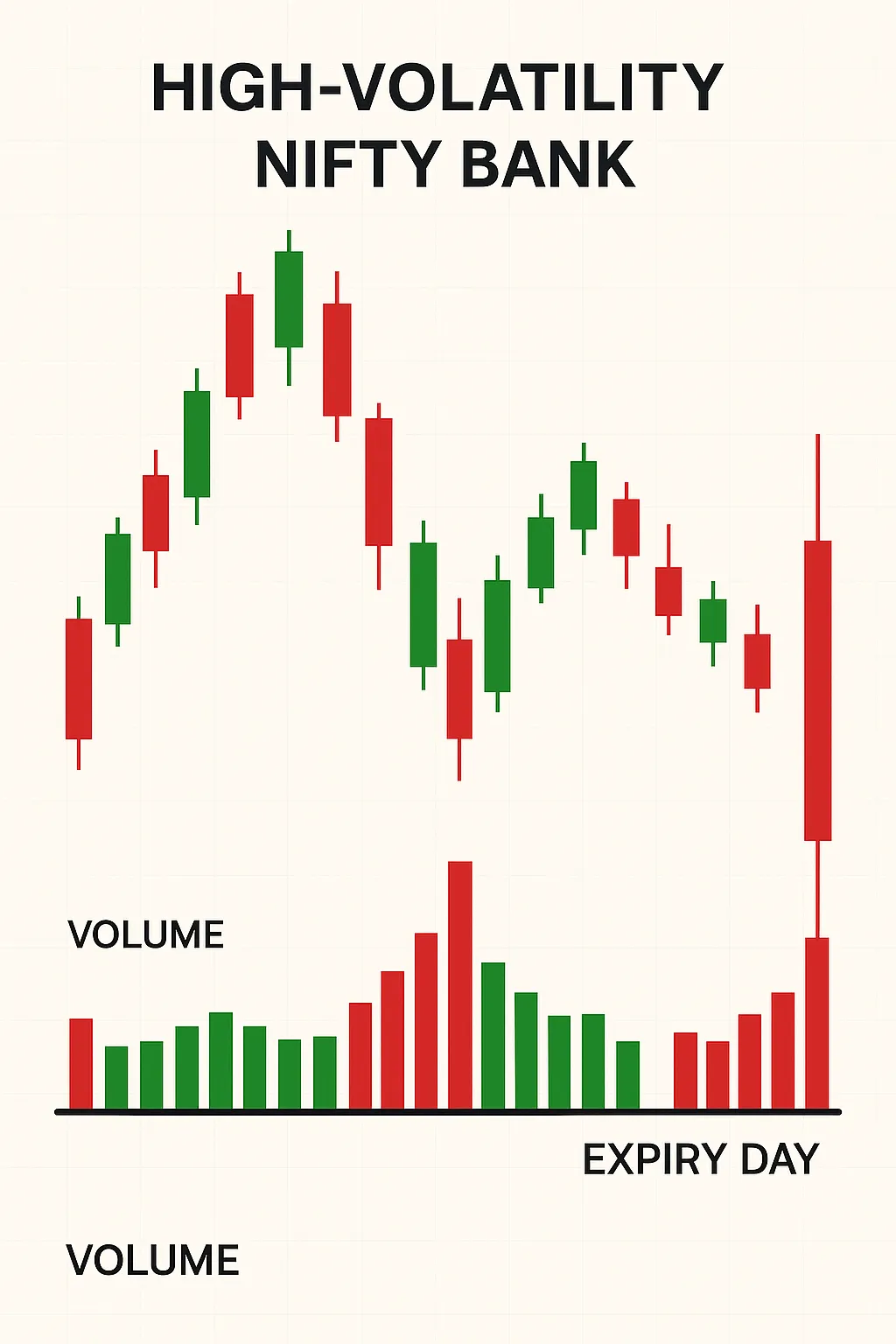
Options expiry day is the last trading session of an options contract. On that day, time value falls to zero and only intrinsic value remains, so premiums can change very quickly. This guide explains how expiry works in India, what the current rules are, and how traders commonly describe five intraday set-ups. It is a description of market mechanics and does not suggest that any approach will work.
Current expiry rules in India
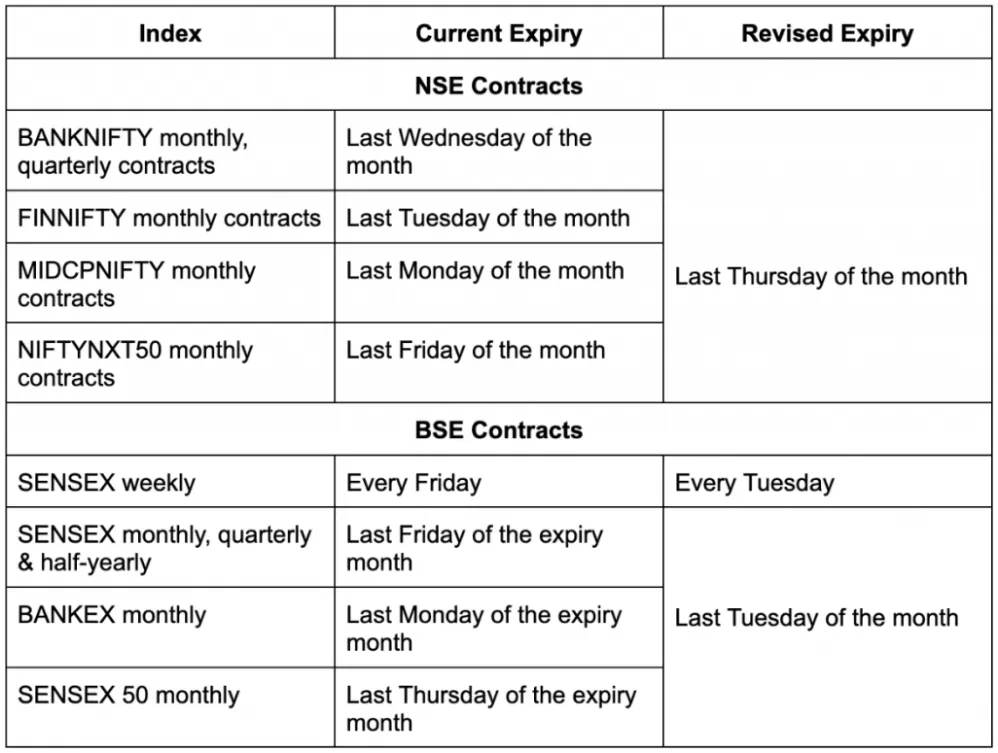
- One expiry weekday per exchange. SEBI's circular of 26 May 2025 limited all equity derivatives expiries on an exchange to a single weekday, Tuesday or Thursday. NSE chose Tuesday and BSE chose Thursday, effective for contracts expiring from 1 September 2025.
- Monthly contracts expire on the last Tuesday of the month on NSE, and weekly Nifty 50 options expire every Tuesday. Market-data summaries indicate that Nifty 50 is the only NSE index with weekly options.
- Holidays. If an expiry falls on a trading holiday, expiry moves to the previous trading day.
- Intraday position monitoring. From 1 October 2025, SEBI's framework tracks intraday futures-equivalent positions in index options, with reported limits of ₹5,000 crore net and ₹10,000 crore gross per entity, measured on a delta basis. Press coverage of the framework said penalties for expiry-day breaches would apply from 6 December 2025. Check the latest SEBI and NSE circulars for any later change.
Older articles, including earlier versions of this one, refer to Thursday expiries for Nifty and Bank Nifty weeklies. That is no longer the case.
See what markets are pricing in
Live indices, sector moves and market breadth — the backdrop to every story we publish.
What happens to an option at expiry
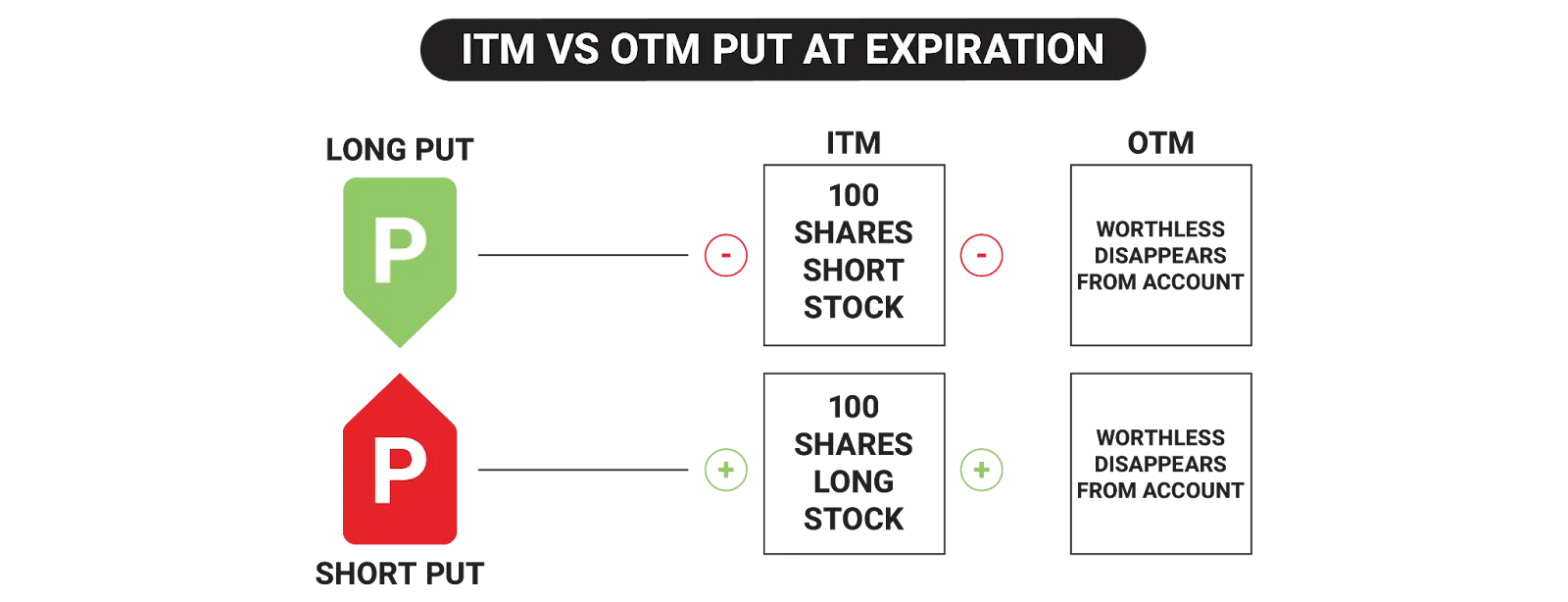
Every option position ends in one of three ways: it is exercised, it is squared off, or it expires worthless. Nifty index options are cash settled, so an in-the-money option is settled at its intrinsic value against the settlement price. Out-of-the-money options expire with zero value. Because the value at expiry depends on the settlement price, small index moves late in the day can change the final outcome for strikes near the money.
Why expiry day behaves differently
Time decay
Theta, the rate of time-value loss, rises as expiry approaches and is largest for at-the-money options. In the last hours, an option that is not in the money loses value quickly unless the underlying moves.
Gamma
Gamma measures how fast an option's delta changes. Near expiry it is highest for at-the-money strikes, so a small move in the index can change the option's price by a large percentage. This works in both directions, which is why both buyers and sellers of near-expiry options face large swings.
Open interest and pinning
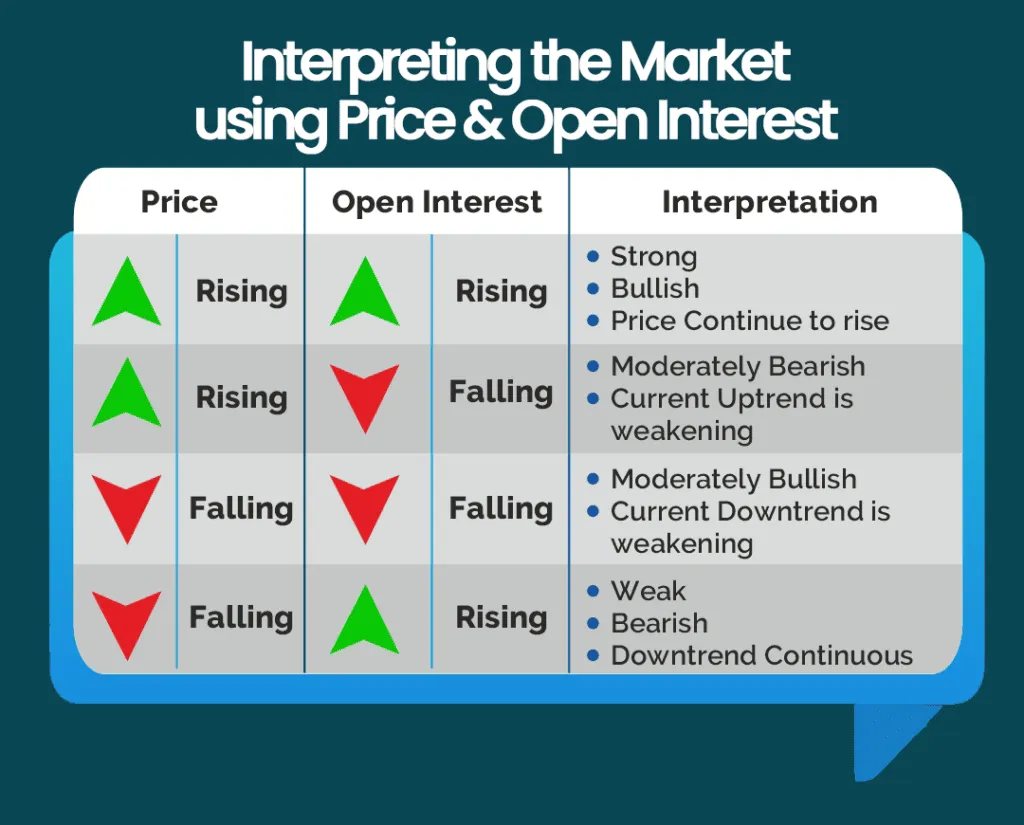
Open interest (OI) is the number of outstanding contracts at a strike. Some traders watch OI because positions hedged by market makers can influence the index near heavily-held strikes, an effect sometimes called pinning. The related "max pain" idea is the strike at which option buyers collectively lose the most. Neither is a reliable predictor, and published studies and market commentary disagree on how strong the effect is.
Volatility
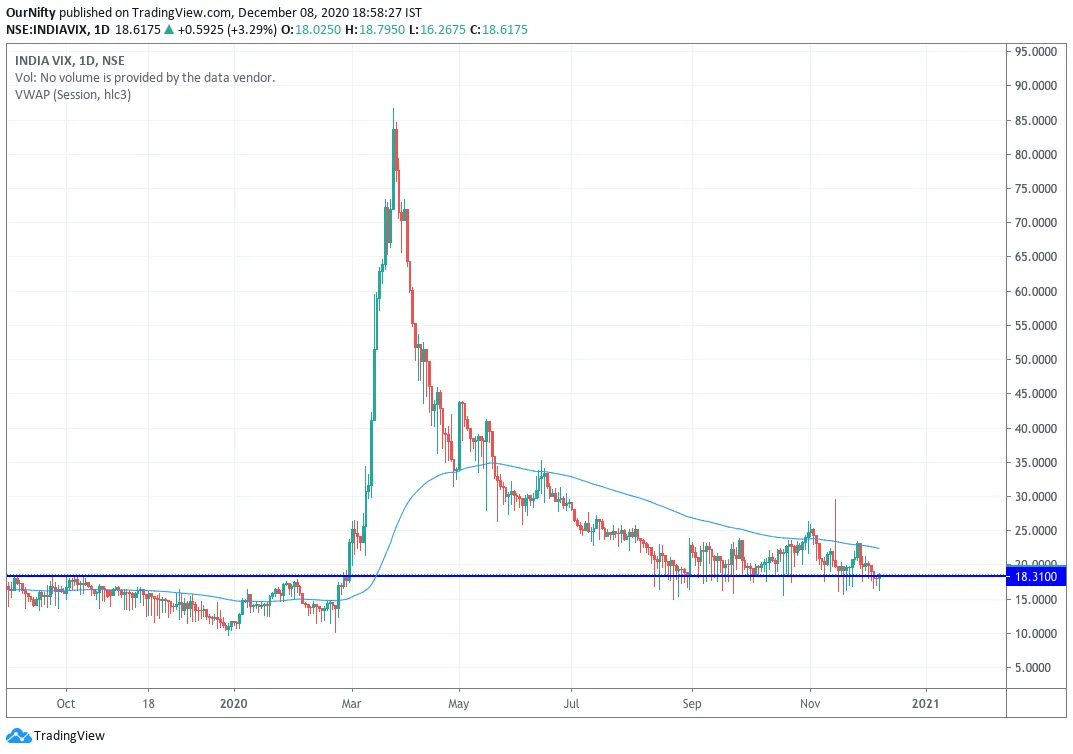
India VIX is derived from Nifty option prices and shows the market's expected volatility over the next 30 days. Implied volatility of short-dated options can change sharply around events and expiry, and it is quoted differently from India VIX itself.
How traders usually prepare
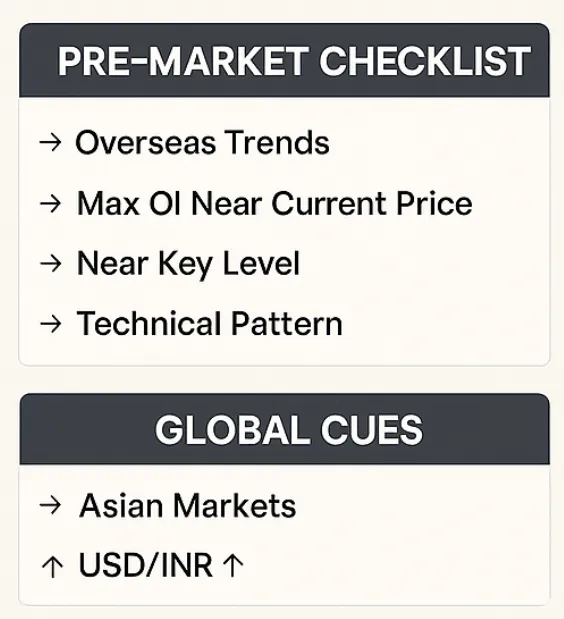
Descriptions of expiry-day routines commonly include these items:
- Reviewing overnight global markets, gap openings and scheduled data releases.
- Checking OI and the put-call ratio, a ratio of put to call open interest used as a sentiment gauge.
- Noting the previous day's high and low and the first 15-minute range of the session.
- Checking lot size, margin required and the exchange's position limits.
- Deciding in advance the maximum loss per trade and per day.
Get research like this in your inbox
The week’s research that mattered, in five minutes. Joined by 2L+ investors.
Session phases as commonly described
Writers on expiry-day trading often split the session into three phases. These are descriptive patterns and vary from day to day.
- Opening hour (9:15 to about 10:30). Overnight sentiment is priced in and spreads are wider. Prices can reverse as the session develops.
- Mid-session (about 10:30 to 14:00). Liquidity is usually steadier, and traders often use VWAP (volume-weighted average price) and OI changes as reference points.
- Final phase (after about 14:00). Premiums move fastest and positions are closed or hedged ahead of settlement.
Five set-ups traders discuss
The following descriptions explain how each set-up is built and where its main risk lies. They are not recommendations, and no set-up has a guaranteed outcome.
1. At-the-money straddle selling
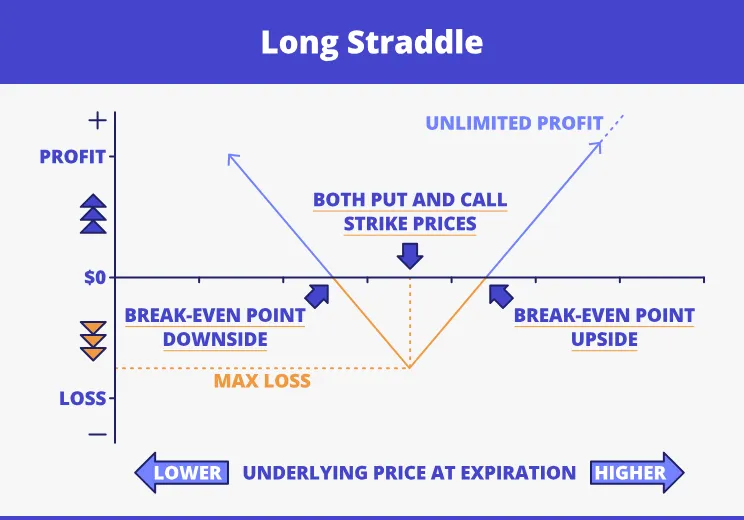
The trader sells a call and a put at the same strike, collecting premium that is kept if the index closes near that strike. Profit is limited to the premium, while losses can be very large if the index trends in either direction. Because the loss is uncapped, many describe pairing it with bought out-of-the-money options, which turns it into a defined-risk structure.
2. Directional breakout buying
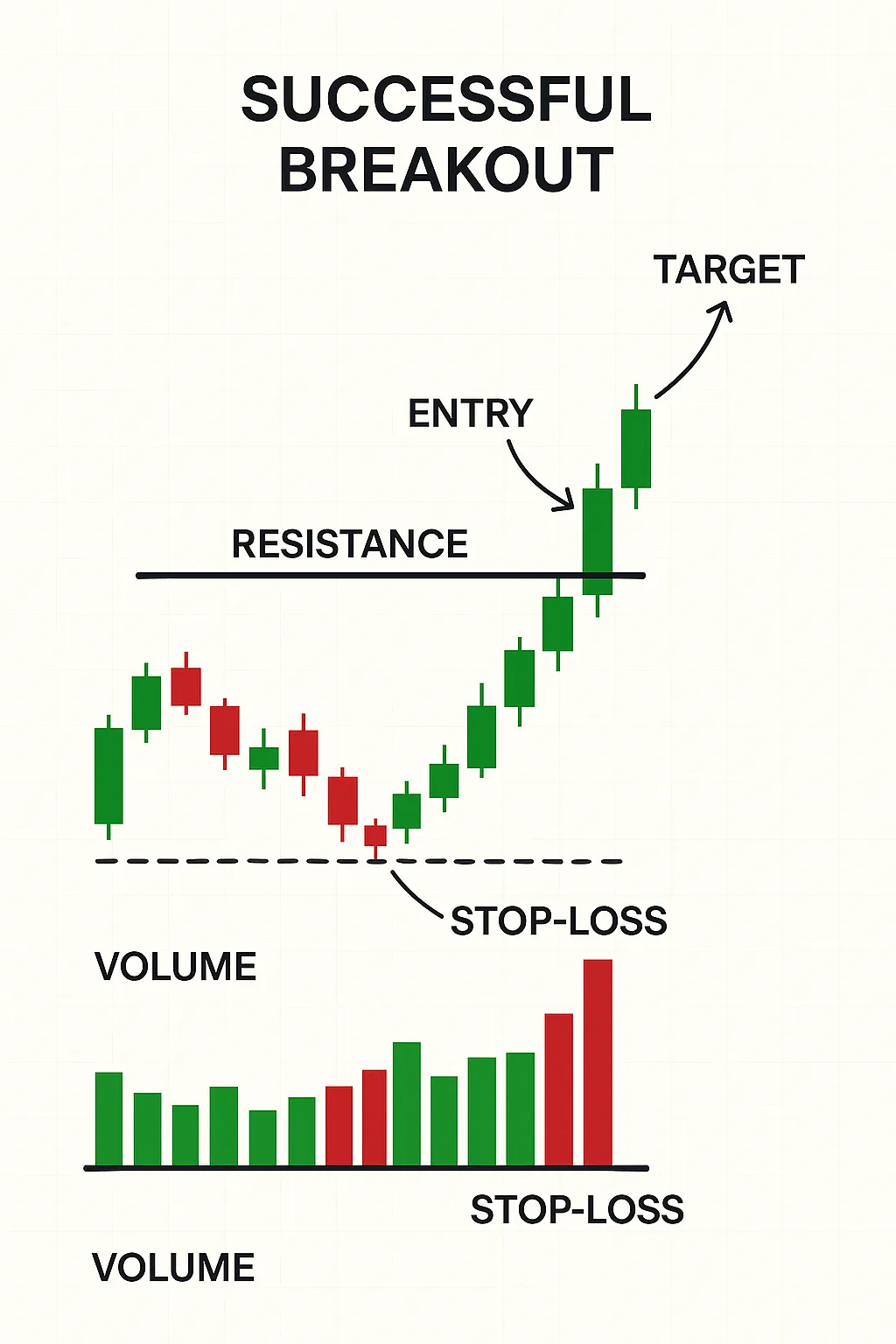
The trader buys a call or a put after the index moves beyond a marked range, often with volume confirmation. The maximum loss is the premium paid, but time decay works against the position, so a breakout that stalls can lose most of the premium quickly.
3. Open-interest based reversal
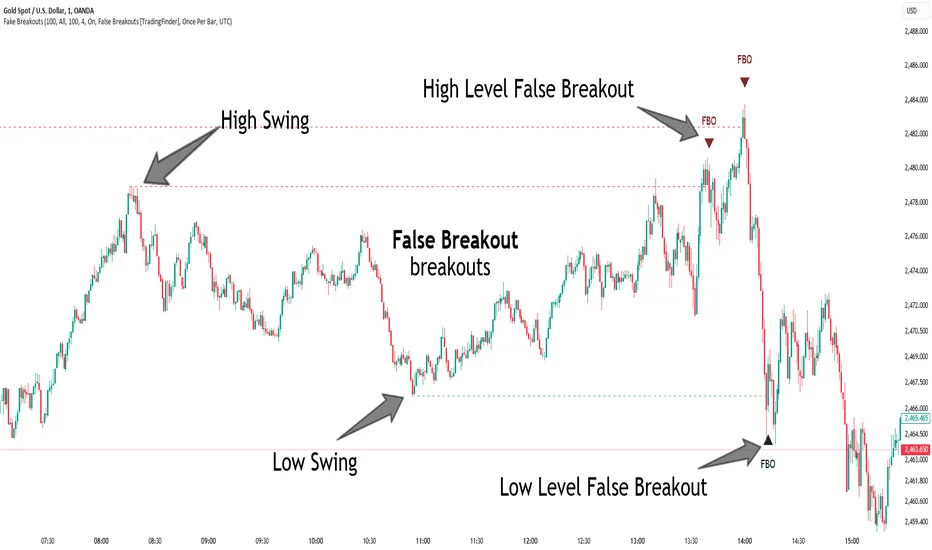
This set-up uses OI data to find strikes with heavy writing and takes a position when the index approaches that strike and shows signs of reversing. It relies on judgement about how option writers will behave, and the evidence for that behaviour is mixed.
4. Volatility contraction
The trader sells options when implied volatility is high, expecting it to fall as uncertainty resolves. Sold options carry unlimited or very large risk, and a sudden event can raise volatility instead of reducing it.
5. Short-duration scalping
Scalping means entering and leaving many trades within minutes, often in the final hour. It depends on tight spreads and fast execution. Brokerage, exchange charges and taxes apply to each trade, so costs can be a large share of any gain.
Costs, taxes and risks
- Securities transaction tax (STT), brokerage and exchange charges apply to options trades. Current rates are set in the Finance Act and exchange notices, and tax treatment of derivatives income can be confirmed with a tax professional.
- SEBI has published studies on individual traders in equity derivatives; the study summaries are available on SEBI's website.
- Intraday positions on expiry day can change in value within seconds, so margin calls and automatic square-offs are possible.
Is your portfolio built for what’s coming?
Get a free AI-powered review of your holdings — risk, overlap and quality in minutes.
Frequently asked questions
Which day does the Nifty weekly option expire?
Tuesday, per NSE's schedule following SEBI's 26 May 2025 circular. If Tuesday is a trading holiday, it moves to the previous trading day.
What is the difference between expiry and settlement?
Expiry is the last day a contract trades. Settlement is the process of closing it out, in cash for index options.
Does expiry day always bring larger moves?
No. Volatility depends on news and positioning. Some expiry sessions are quiet and others are not.
Sources: SEBI circular dated 26 May 2025 on equity derivatives expiry days; SEBI intraday position monitoring framework (effective 1 October 2025) as reported by Upstox, Outlook Business and Newsonair; NSE schedule summaries. Rules change frequently; check current circulars.
This article is for educational purposes only and is not investment advice.


